AI eyes on Jantar Mantar: Police using face recognition vans to connect protesters with Aadhaar?
Essential brief
Police at Jantar Mantar have deployed face recognition vans to identify protesters by linking their images with Aadhaar data. This development raises concerns about privacy and surveillance during
Key topics
Key facts
Highlights
Why it matters
The use of face recognition linked to Aadhaar at protests represents a significant shift in surveillance practices, raising critical questions about privacy and civil liberties. It highlights the challenges governments face in balancing security needs with protecting individual rights in the digital age.
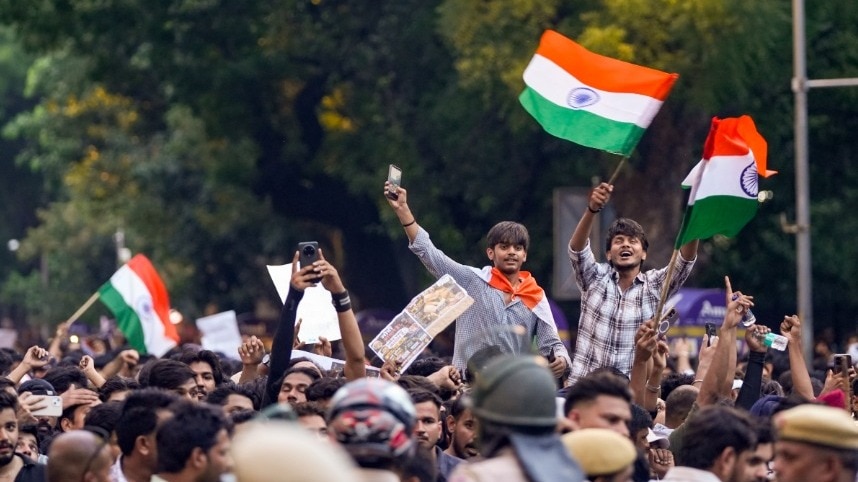
At Jantar Mantar, police have introduced face recognition vans equipped with AI technology to identify protesters. These vans scan faces in the crowd and attempt to match them with Aadhaar database records, India's national biometric identity system. The initiative aims to monitor and manage public gatherings more effectively by linking individuals to their official identities.
The deployment of this technology has sparked debate over privacy rights and the potential for misuse. Critics argue that connecting protesters' faces to Aadhaar data could lead to unwarranted surveillance and suppression of dissent. Supporters claim it enhances security and helps maintain public order during large demonstrations.
Face recognition technology has been increasingly adopted by law enforcement agencies worldwide, but its use in India, particularly in sensitive protest environments, remains controversial. The integration with Aadhaar, which contains extensive personal information, adds another layer of complexity and concern.
Authorities maintain that the technology is used strictly for identification purposes and to prevent unlawful activities during protests. However, civil rights groups urge transparency and regulation to prevent abuse and protect citizens' rights.
This development at Jantar Mantar reflects broader trends in surveillance and the balance between security and privacy in democratic societies. The ongoing debate underscores the need for clear policies governing the use of biometric and AI technologies in public spaces.
Key topics in this update include jantar mantar police using face recognition vans, jantar mantar police, and recognition vans.