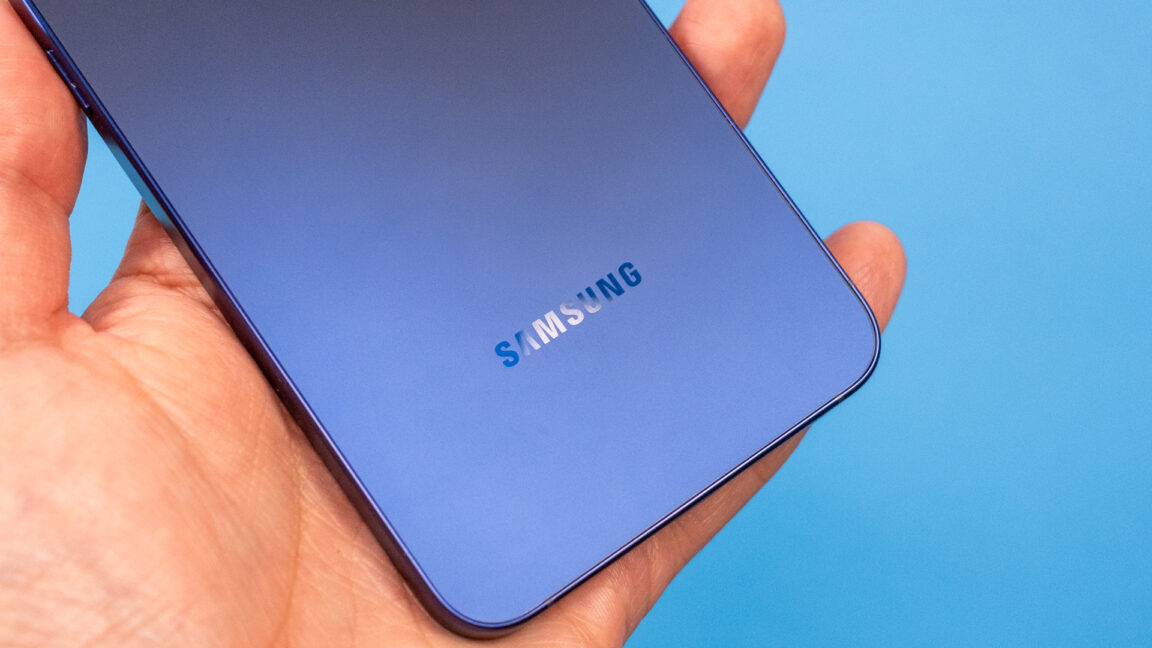
Apple and Samsung benefit as memory shortage pushes smartphone shipments to historic lows
Essential brief
Global smartphone shipments have reached historic lows due to a shortage of memory components, impacting the overall market. Despite these challenges, leading manufacturers Apple and Samsung have m
Key topics
Key facts
Highlights
Why it matters
The memory shortage causing historic lows in smartphone shipments highlights vulnerabilities in global supply chains and the semiconductor industry. Apple and Samsung's ability to maintain shipments demonstrates the competitive edge of companies with strong supply networks and financial resources. This situation may influence future strategies in manufacturing and inventory management across the tech sector.
The global smartphone market is experiencing a significant downturn as shipments fall to historic lows, primarily due to a shortage of memory components. This shortage has disrupted production schedules and limited the availability of new devices across various brands. The scarcity of memory chips, essential for smartphone functionality, has created bottlenecks that manufacturers are struggling to overcome.
Despite these challenges, Apple and Samsung have managed to sustain their market positions. Their ability to secure memory supplies and adapt to the constrained environment has allowed them to continue shipping devices, albeit at reduced volumes. These companies benefit from stronger supply chain relationships and greater financial resources, enabling them to navigate the current shortages more effectively than smaller competitors.
The broader smartphone industry faces uncertainty as economic factors compound supply issues. Consumer demand has softened amid inflation and global economic concerns, further contributing to the decline in shipments. This combination of supply constraints and reduced demand is reshaping the competitive landscape.
Manufacturers are exploring alternative strategies, such as adjusting product launches and optimizing inventory management, to mitigate the impact of the memory shortage. However, analysts suggest that recovery may take time as the semiconductor industry works to increase production capacity.
Overall, the current environment underscores the critical role of memory components in smartphone manufacturing and the importance of robust supply chains. Apple and Samsung's relative success during this period reflects their strategic advantages in managing supply disruptions and market volatility.
Key topics in this update include apple, samsung benefit, and memory shortage pushes smartphone shipments.