Auto sector fails, aerospace soars
Essential brief
Despite receiving Rs250 billion in subsidies, the auto sector's exports have nearly halted, indicating significant challenges within the industry. In contrast, the aerospace sector, particularly th
Key topics
Key facts
Highlights
Why it matters
The decline in auto sector exports despite heavy subsidies signals underlying structural problems that could affect Pakistan's industrial growth and trade balance. Meanwhile, the aerospace sector's success with the JF-17 demonstrates the potential for high-tech industries to drive export growth and enhance the country's global standing. Addressing these contrasting outcomes is crucial for balanced economic development.
Pakistan's automotive sector has experienced a significant downturn in exports, nearing zero despite substantial government support amounting to Rs250 billion in subsidies. This decline underscores persistent challenges such as production inefficiencies, market competition, and possibly policy implementation issues that have hindered the sector's growth and international competitiveness. The automotive industry's struggles contrast sharply with the performance of Pakistan's aerospace sector, which has gained considerable global recognition.
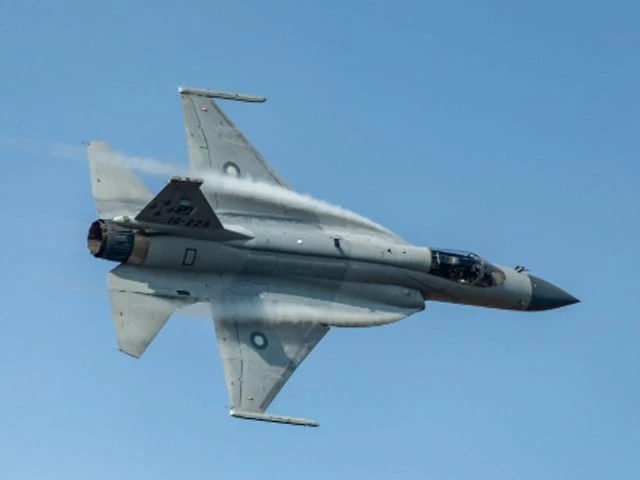
The JF-17 Thunder fighter jet, a joint development between Pakistan and China, has emerged as a symbol of success in the aerospace industry. Its advanced capabilities and cost-effectiveness have attracted interest from various countries, boosting Pakistan's reputation in defense manufacturing and exports. This success reflects the potential for high-technology sectors to contribute significantly to the country's export portfolio.
The contrasting trajectories of these two sectors highlight the need for strategic reassessment in industrial policies. While the automotive sector requires revitalization through innovation, quality improvement, and market expansion, the aerospace sector's achievements suggest opportunities for further investment and development.
Government and industry stakeholders may need to address structural issues within the auto sector to reverse the export decline. Simultaneously, leveraging the aerospace sector's momentum could enhance Pakistan's position in global defense markets and stimulate economic growth.
Overall, the current scenario emphasizes the importance of diversifying export strategies and focusing on sectors with competitive advantages to strengthen Pakistan's economy.
Key topics in this update include auto sector fails aerospace soars, auto sector fails, and aerospace soars.