Azitra, Inc. Announces Breakthough Repeat Dose and Anti-Wrinkle Ex Vivo Results for ATR-COSF Program, Demonstrating Increased Distribution and Elasticity
Essential brief
Azitra, Inc. has reported significant ex vivo findings for its ATR-COSF program, which utilizes a supernatant-based formulation containing recombinant human filaggrin. The data demonstrated improve
Key topics
Key facts
Highlights
Why it matters
The ex vivo results from Azitra's ATR-COSF program demonstrate the potential of microbiome-derived ingredients to improve skin elasticity and reduce wrinkles, addressing a significant demand in the cosmetic industry. This advancement underscores the growing role of biotechnology in developing effective, science-backed skincare solutions that target aging at a molecular level.
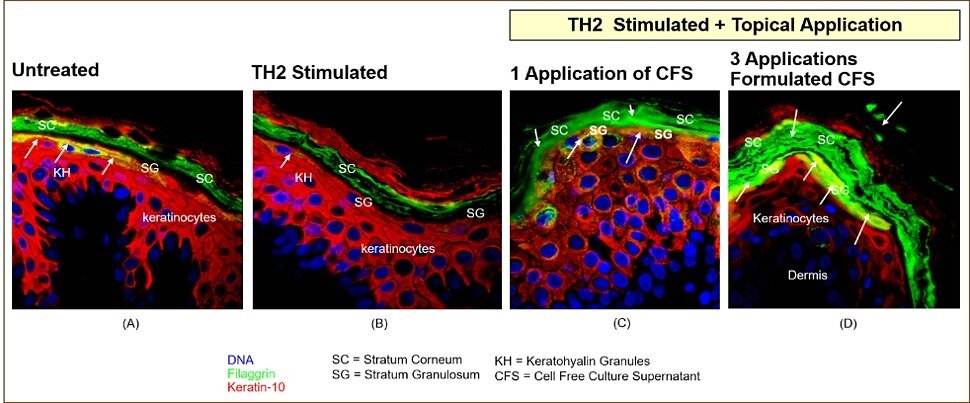
Azitra, Inc. has announced promising ex vivo results for its ATR-COSF program, which focuses on a supernatant-based formulation containing an active recombinant human domain of filaggrin, known as rHDfilaggrin. This ingredient is derived from Staphylococcus epidermidis and is being developed as a high-value cosmetic component aimed at improving skin health and appearance. The recent data demonstrated controlled distribution of the formulation within skin tissue, a critical factor for efficacy in topical applications.
The ex vivo studies also revealed increased skin elasticity following repeat dosing, suggesting potential anti-wrinkle benefits. These findings support the hypothesis that the ATR-COSF formulation can enhance skin barrier function and improve mechanical properties, which are essential for reducing signs of aging. The controlled delivery and bioactivity of rHDfilaggrin indicate that the ingredient can penetrate skin layers effectively without causing adverse effects.
Azitra's research contributes to the growing interest in microbiome-derived cosmetic ingredients, leveraging bacterial proteins to promote skin health. The use of recombinant human filaggrin targets a key structural protein involved in maintaining skin hydration and integrity, which often diminishes with age. By restoring or supplementing filaggrin function, the ATR-COSF program aims to address common cosmetic concerns such as wrinkles and loss of elasticity.
While these results are preliminary and based on ex vivo models, they provide a foundation for further development and potential clinical evaluation. The company plans to continue advancing the ATR-COSF formulation to validate its efficacy and safety in human trials. If successful, this could lead to new cosmetic products that offer scientifically supported anti-aging benefits.
Overall, Azitra's breakthrough findings highlight the potential of microbiome-based approaches in cosmetic science, opening avenues for innovative treatments that harness natural biological mechanisms to improve skin appearance and function.
Key topics in this update include azitra, breakthough repeat dose, and anti-wrinkle.