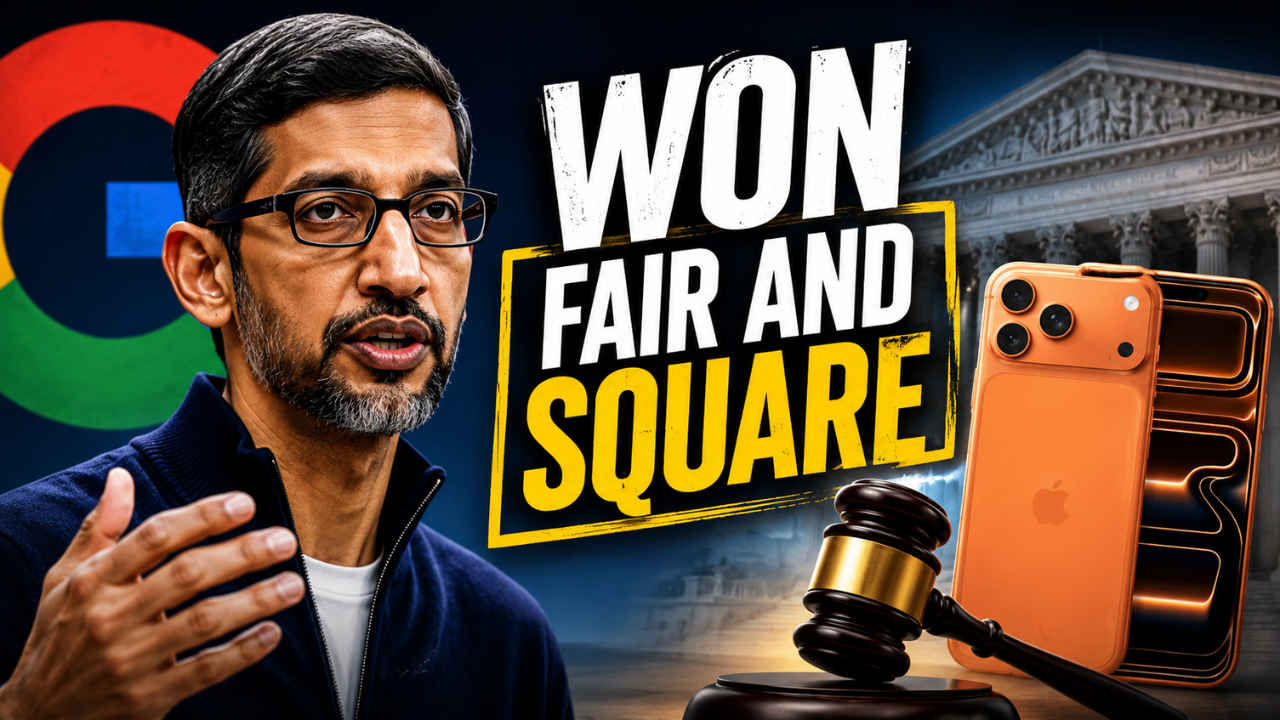
Google appeals antitrust ruling, claims Apple picked its search engine by choice
Essential brief
Google has appealed a 2024 antitrust ruling that found the company violated laws by paying to be the default search engine on iPhon... - Digit (2026-05-23)
Key topics
Key facts
Highlights
Why it matters
This appeal highlights ongoing legal scrutiny of dominant tech companies and their influence over digital markets. The outcome could impact how search engines negotiate default placements on popular devices and shape data-sharing requirements in the evolving AI landscape. It also underscores the challenges regulators face in balancing competition and innovation in the tech sector.
Google has filed an appeal against a 2024 antitrust ruling that determined the company broke the law by paying to remain the default search engine on Apple’s iPhones. The appeal was submitted to the US Court of Appeals for the D.C. Circuit, with Google asserting that the ruling was incorrect and that its market position is the result of offering a better product rather than engaging in unfair business practices. Google emphasized that its dominance in search is due to superior technology, significant investments, and consistent effort.
The company argued that Apple chose Google Search for its devices because it provided the best experience for users, and that no competing search engines were prevented from making competitive offers to Apple or other partners like Mozilla. Google also stated there is no evidence users would have selected a different search engine if Google had not secured default status through agreements.
Google further noted that Apple users can switch search engines within the Safari browser settings, indicating that Apple was free to promote other options. The company attributed any exclusivity to Apple’s own business decisions rather than Google’s influence.
In addition to contesting the ruling itself, Google is challenging the remedies imposed by the court, which require the company to share search-related data, user interaction information, and search results access with competitors. Google seeks to reverse these requirements, particularly objecting to sharing data with AI firms like OpenAI. The company argued that AI products did not exist during the period under investigation and that these firms have already achieved significant success without relying on Google’s data.
The case originated from a US Department of Justice accusation that Google maintained a monopoly in online search, partly through a billion-dollar deal with Apple to be the default search engine on Safari. While Google can no longer enter exclusive search distribution agreements, it remains able to pay Apple to be one of the available search options on iPhones. Oral arguments for the appeal have not been scheduled, with a final decision expected in late 2026 or early 2027.
Key topics in this update include google appeals antitrust ruling claims apple picked, google appeals antitrust, and apple picked.