Humanoid Robots Perform First Live Surgery: Pentagon Flags the Hardware as Chinese Military Tech
Essential brief
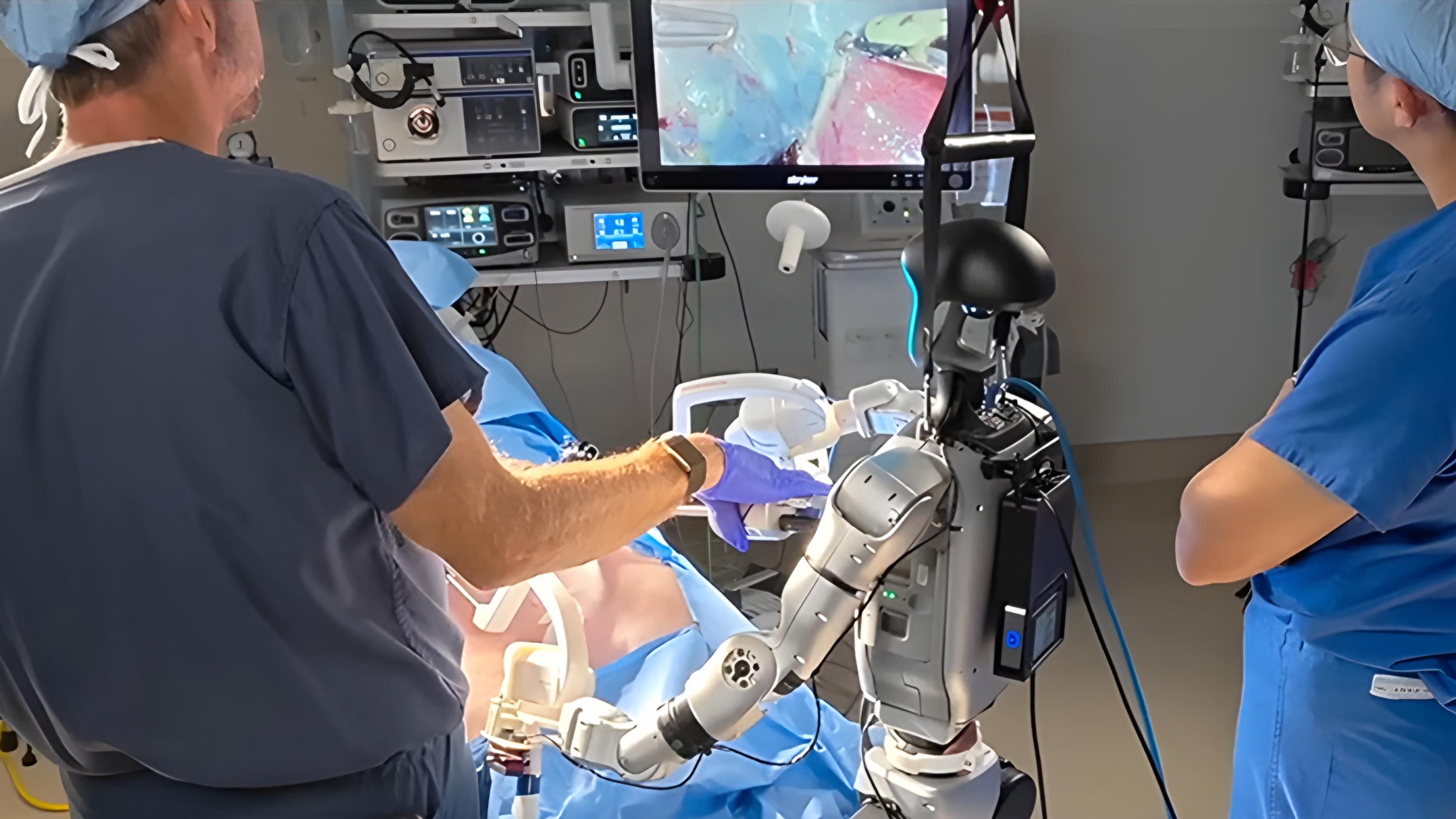
Researchers at UC San Diego achieved a milestone by completing two live in-vivo surgeries using Unitree G1 humanoid robots, marking the first such procedures worldwide. However, the hardware used c
Key topics
Key facts
Highlights
Why it matters
This development highlights both the potential and the risks of integrating advanced humanoid robots into medical procedures. While the successful surgeries mark a technological milestone, the security vulnerabilities and geopolitical concerns emphasize the importance of cybersecurity and supply chain scrutiny in emerging medical technologies. The case illustrates how innovation in healthcare can intersect with national security considerations.
In a significant advancement for medical robotics, researchers at the University of California San Diego successfully conducted two live in-vivo surgeries using Unitree G1 humanoid robots. This achievement represents the first time humanoid robots have performed live surgical procedures, as documented in a study published in the journal Nature on July 8, 2026. The surgeries demonstrate the potential for robotic systems to assist or perform complex medical tasks with precision.
Despite this technological breakthrough, the Unitree G1 robots have been identified as having a critical security vulnerability. The hardware contains a wormable Bluetooth exploit that affects all units, posing risks of unauthorized access or control. This exploit has been documented and is a significant concern for the deployment of such robots in sensitive environments.
Adding to the controversy, the Pentagon designated Unitree Robotics as part of its Chinese Military Companies list 30 days prior to the publication of the research paper. This designation reflects concerns about the company's ties and the potential use of its technology in military applications by the Chinese government.
The combination of advanced surgical capabilities and security vulnerabilities has sparked debate over the safe integration of robotic technologies in healthcare. It also raises questions about the geopolitical implications of adopting hardware linked to foreign military entities.
As robotic surgery continues to evolve, ensuring the security and integrity of the hardware and software involved will be critical. The incident underscores the need for rigorous cybersecurity assessments alongside technological innovation in medical robotics.
Key topics in this update include humanoid robots perform, live surgery pentagon flags, and live surgery pentagon.