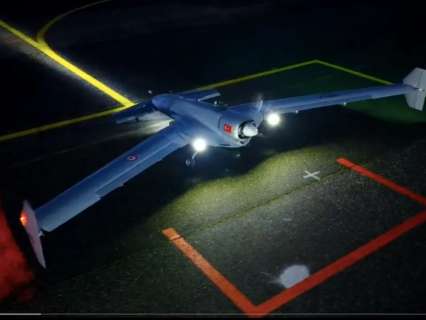
Indian Army fast-tracks AI-enabled, GPS-denied Kamikaze drones with 1,000-km range that can strike deep inside Pakistan, China
Essential brief
The Indian Army is fast-tracking the induction of indigenous AI-enabled, GPS-denied Long-Range Loiter Munitions (LRLMs) capable of striking targets up to 1,000 kilometers away. This initiative mark
Key topics
Key facts
Highlights
Why it matters
The development and deployment of AI-enabled, GPS-denied kamikaze drones enhance the Indian Army's ability to conduct precise, long-range strikes in contested environments. This capability reduces reliance on vulnerable GPS signals and strengthens deterrence against regional adversaries. It also reflects a broader trend toward integrating artificial intelligence in military operations, which could reshape future warfare dynamics.
The Indian Army has initiated an accelerated program to deploy advanced kamikaze drones equipped with artificial intelligence and GPS-denied navigation systems. These Long-Range Loiter Munitions (LRLMs) are designed to operate effectively in contested environments where GPS signals may be jammed or unavailable. With a striking range of approximately 1,000 kilometers, these drones can conduct deep penetration strikes inside neighboring countries such as Pakistan and China.
This move reflects the Indian Army's strategic shift toward integrating AI-driven technologies into its combat operations. The indigenous development of these drones emphasizes self-reliance and aims to reduce dependence on foreign technology. The GPS-denied capability ensures operational effectiveness in electronic warfare scenarios, where adversaries may attempt to disrupt navigation systems.
The LRLMs are expected to enhance the Indian Army's precision strike capabilities by loitering over target areas and engaging high-value targets with minimal collateral damage. Their long-range and autonomous features provide a tactical advantage in surveillance and strike missions, especially in difficult terrains and contested airspaces.
The program aligns with broader defense modernization efforts, focusing on leveraging emerging technologies to maintain strategic deterrence and operational superiority. The deployment of AI-enabled kamikaze drones represents a significant advancement in the Indian military's unmanned aerial vehicle (UAV) capabilities.
As regional security dynamics evolve, the Indian Army's investment in such technologies underscores the importance of maintaining technological edge and readiness in potential conflict zones. The LRLMs are expected to be a critical component of future warfare strategies, combining autonomy, range, and resilience against electronic countermeasures.
Key topics in this update include indian army fast-tracks ai-enabled gps-denied kamikaze drones, indian army fast-tracks, and kamikaze drones.