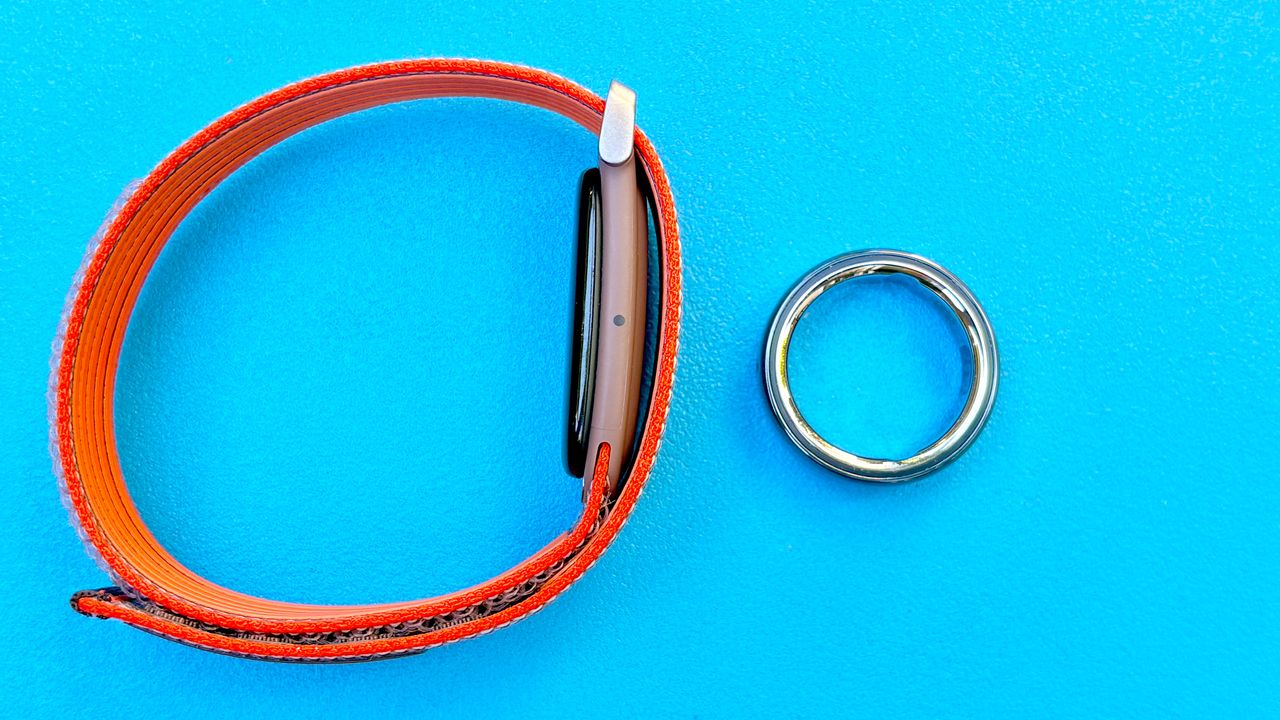
It's time for a Fitbit Ring - 3 reasons why Google should make an Oura Ring alternative
Essential brief
Following the success of the Fitbit Air, there is a growing case for Google to introduce a Fitbit Ring as an alternative to the Oura Ring and Samsung's Galaxy Ring. A Fitbit Ring could expand Googl
Key topics
Key facts
Highlights
Why it matters
The introduction of a Fitbit Ring would mark Google's entry into the emerging ring-style wearable market, expanding options for health and fitness tracking beyond traditional wrist devices. This could influence the competitive landscape by challenging established players like Oura and Samsung, while providing consumers with more versatile and comfortable wearable choices. It also reflects broader trends toward discreet and continuous health monitoring technologies.
Google's Fitbit brand has established itself as a leader in the wearable fitness tracker market, particularly with devices like the Fitbit Air. However, the wearable landscape is evolving, with ring-style devices such as the Oura Ring and Samsung's Galaxy Ring gaining popularity for their discreet design and health monitoring capabilities. Introducing a Fitbit Ring could allow Google to tap into this growing segment and offer users an alternative that integrates seamlessly with its existing ecosystem.
Ring-style wearables provide unique advantages, including continuous health tracking with minimal intrusion and improved comfort compared to wrist-worn devices. They can monitor metrics like heart rate, sleep quality, and activity levels while being less obtrusive. By leveraging Fitbit's expertise in health data and Google's software capabilities, a Fitbit Ring could deliver accurate and actionable insights.
Additionally, a Fitbit Ring could appeal to users seeking a stylish and compact wearable option. The ring form factor is often preferred for its subtlety and ease of use in various settings, including professional environments where larger devices may be less desirable. This could broaden Fitbit's user base and increase adoption among demographics currently underserved by wristbands and smartwatches.
From a market perspective, launching a Fitbit Ring would position Google to compete more directly with Oura and Samsung, both of which have established products in this category. It would also demonstrate Google's commitment to innovation in wearables and health technology, potentially driving growth and user engagement.
Overall, a Fitbit Ring represents a strategic opportunity for Google to diversify its wearable offerings, meet evolving consumer preferences, and strengthen its presence in the health and fitness tracking market.
Key topics in this update include time, fitbit ring, and reasons.