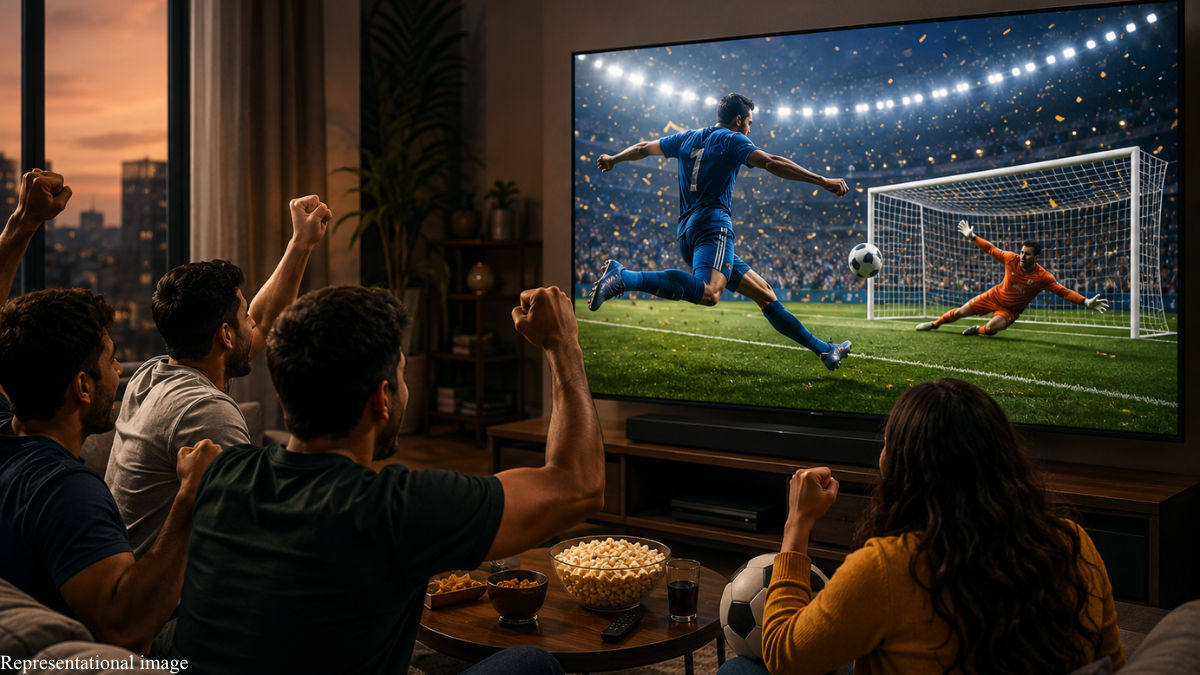
Large-screen TV demand amid FIFA World Cup 2026
Essential brief
The FIFA World Cup 2026 has driven increased demand for large-screen televisions in India, with brands reporting significant sales growth during the tournament. Despite an overall 3% decline in sma
Key topics
Key facts
Highlights
Why it matters
The rising demand for large-screen TVs during the FIFA World Cup 2026 highlights changing consumer behavior in India, where viewers seek enhanced viewing experiences through bigger screens and advanced display technologies. This shift reflects broader trends in technology adoption, affordability, and content consumption that will influence the television market well beyond the tournament. Understanding these dynamics helps manufacturers and retailers align their strategies with evolving consumer expectations.
The FIFA World Cup, held every four years, attracts viewers beyond hardcore football fans, often prompting them to watch matches on television. For TV manufacturers, this event offers an opportunity to promote larger screens and enhanced picture quality as a way to create a more immersive viewing experience. Advertisements from leading brands highlight big-screen TVs, but the question remains whether this marketing translates into actual consumer demand.
Industry analysts and TV brands confirm that demand for large-screen televisions is indeed increasing during the tournament. According to Counterpoint Research, India's smart TV shipments fell 3% year-on-year in the first quarter of 2026 due to inflation, geopolitical uncertainty, and cautious spending. However, demand for TVs with screen sizes of 55 inches and above continued to grow, especially in urban markets.
Brands like Hisense, LG, and Lumio report notable sales increases during the FIFA season. Hisense noted a 7% to 10% rise in premium TV sales, expecting this to reach 15% to 20% as the tournament progresses. LG observed a doubling of large-screen TV sales during sporting events, while Lumio's June 2026 sales nearly tripled compared to the previous year, with models 55 inches and above now comprising nearly half of their sales.
This growth is not solely due to the World Cup. Counterpoint Research highlights that large-screen TVs already accounted for about one-third of total shipments in early 2026, indicating a pre-existing trend toward bigger displays. Consumers are upgrading not just screen size but also display technology, seeking features like higher brightness, better contrast, and smoother motion to enhance sports viewing.
Technologies such as QLED and Mini LED are gaining market share, with Mini LED growing more than 13 times year-on-year from a smaller base. Additionally, features like Dolby Vision and Dolby Atmos are becoming important for buyers aiming to replicate stadium-like experiences at home. Brands are also incorporating software enhancements, such as LG's Sports Playbook and AI Win Prediction, and Lumio's TLDR platform, which provide live scores, notifications, and match insights.
Other factors influencing demand include improved affordability through financing options and the rise of OTT platforms, which encourage investment in better viewing experiences. Regional preferences also play a role, with football-loving states like Kerala and West Bengal showing strong demand, alongside metropolitan areas such as Delhi, Mumbai, Pune, Ahmedabad, and Chennai.
Overall, while the FIFA World Cup accelerates purchases, the sustained growth in large-screen TV demand is driven by evolving consumer preferences, technological advancements, and increased accessibility. The tournament acts as a catalyst for consumers to upgrade, but the broader market trends suggest continued expansion in this segment beyond the event.
Key topics in this update include large-screen, demand, and fifa world.