Making employment work for people with disabilities
Essential brief
New assistive technologies such as flashing phones, captioning glasses, foot pedal keyboards, and lip-controlled mice are transforming workplaces to better accommodate employees with disabilities.
Key topics
Key facts
Highlights
Why it matters
The adoption of assistive technologies in the workplace represents a critical move toward inclusivity, enabling people with disabilities to work more effectively and comfortably. This shift challenges traditional workplace designs and promotes broader societal acceptance and support for diverse abilities, ultimately fostering equal employment opportunities.
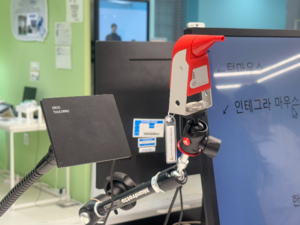
Advancements in assistive technology are enabling greater inclusion of people with disabilities in the workforce. Devices like phones that flash instead of ring, glasses that convert speech into captions, keyboards operated by foot pedals, and mice controlled through subtle lip movements and breathing are examples of tools designed to accommodate diverse needs. These innovations address the limitations of traditional office setups that often overlook accessibility requirements.
The focus is shifting from expecting individuals with disabilities to adapt to workplaces toward redesigning work environments and tools to be inherently inclusive. This approach not only improves accessibility but also enhances productivity and comfort for employees with disabilities. By integrating such technologies, employers can create more equitable workspaces that recognize and support different abilities.
These developments reflect a broader trend in employment practices that prioritize diversity and inclusion. Organizations adopting these tools demonstrate a commitment to removing barriers and fostering an environment where all employees can perform effectively. This shift also aligns with legal and social expectations for accommodating disabilities in the workplace.
The implementation of assistive technologies requires collaboration between employers, technology developers, and employees to ensure solutions meet practical needs. Training and awareness are essential to maximize the benefits of these tools and to cultivate an inclusive workplace culture.
Overall, the integration of innovative assistive devices marks a significant step toward making employment more accessible and equitable for people with disabilities, promoting their participation and success in various professional settings.
Key topics in this update include making employment work, people, and disabilities.