Man sues OpenAI, says ChatGPT medical advice nearly killed him
Essential brief
A Florida man has filed a lawsuit against OpenAI, claiming that medical advice provided by ChatGPT-4o led to a life-threatening health event. The suit alleges that the AI chatbot gave misleading gu
Key topics
Key facts
Highlights
Why it matters
This lawsuit underscores the growing legal and ethical challenges surrounding AI-generated medical advice. As AI chatbots become more integrated into daily life, ensuring their safety and accuracy is crucial to prevent harm. The case also highlights the need for clearer regulations and safeguards to protect users from potentially dangerous misinformation.
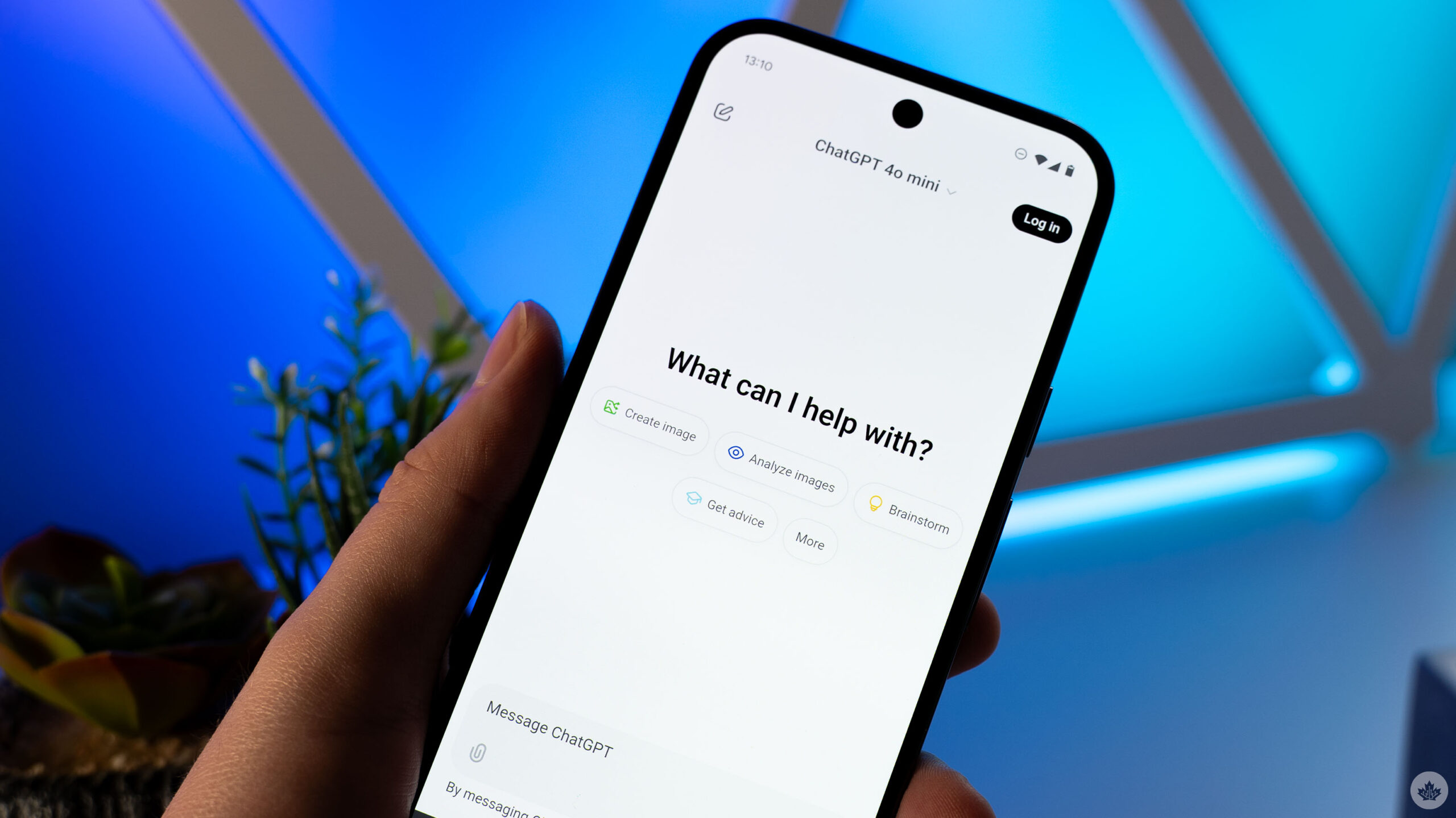
A Florida man, former pastor Scott Winters, has sued OpenAI, alleging that the company's ChatGPT service provided him with medical misinformation that nearly caused his death. The lawsuit, filed in San Francisco by Tech Justice Law, the Social Media Victims Law Center, and the Institute for Law, Innovation & Technology at Temple University, centers on advice Winters received from ChatGPT-4o, an earlier version of the chatbot now retired by OpenAI. Winters sought guidance about dizzy spells and was advised by ChatGPT to stay home and limit movement. The chatbot also indicated that his condition would only be serious after experiencing eight to ten more episodes. Following this advice, Winters delayed seeking medical attention and subsequently suffered a massive pulmonary embolism, leaving him close to death. He now faces years of intensive physical and psychological recovery due to blood clots. The lawsuit claims that ChatGPT-4o presented itself with the authority of a medical professional without having the necessary qualifications. Winters' legal team is seeking financial damages and stronger safeguards on ChatGPT's ability to provide medical advice, including suspending ChatGPT Health pending an independent safety review. OpenAI's terms of service explicitly state that ChatGPT should not be used as a substitute for professional medical advice and that users assume all risks when relying on its outputs. The legal basis for the lawsuit remains uncertain. This case follows a recent German court ruling holding Google liable for misinformation from its AI Overviews. Additionally, OpenAI faces other legal challenges, including a Texas lawsuit over fatal medical advice and a Canadian government action related to a flagged ChatGPT account linked to a mass shooting. Experts generally advise against relying on AI chatbots for medical guidance due to their tendency to produce inaccurate information, known as "hallucinations." A recent study found that AI Overviews generate tens of millions of incorrect answers per hour, underscoring the risks of using AI for critical health decisions.
Key topics in this update include sues openai, chatgpt medical advice nearly killed, and chatgpt medical advice.