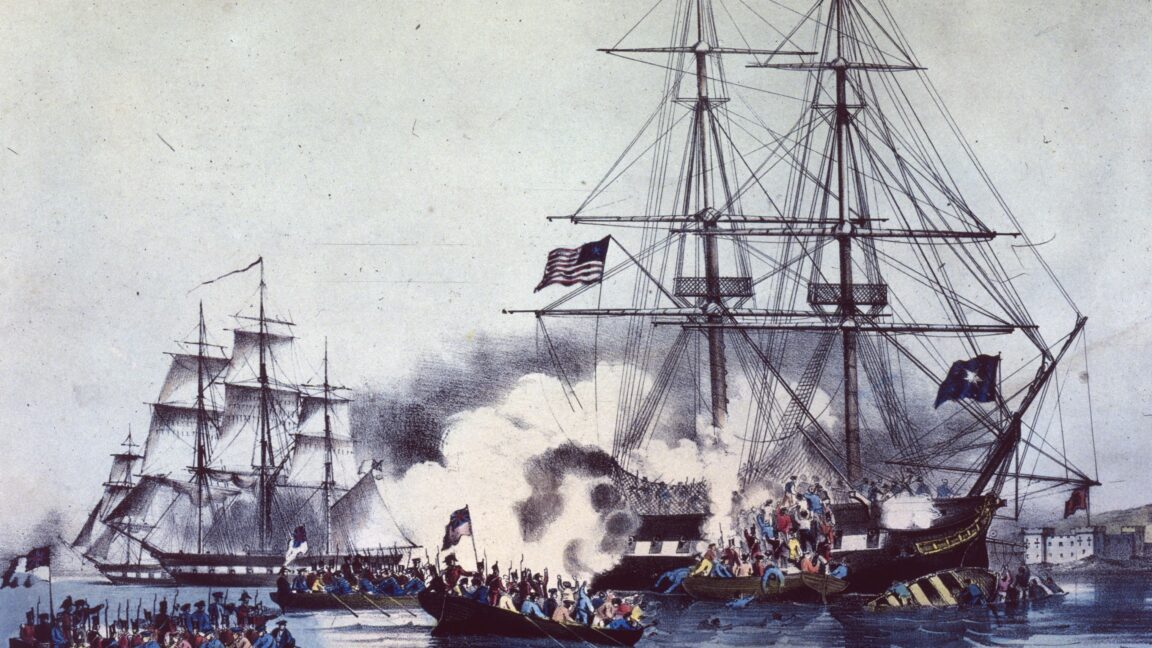
Next Space Force chief throws cold water on the idea of space privateers
Essential brief
The incoming Space Force chief has rejected the idea of employing privateers in space operations, emphasizing traditional military roles over privatized enforcement. This stance reflects enduring p
Key topics
Key facts
Highlights
Why it matters
The Space Force's rejection of privateers in space underscores the importance of maintaining government control over military operations beyond Earth. This stance influences how space security policies develop amid growing commercial involvement in space. It also highlights the need to align space defense strategies with international laws and historical principles of military governance.
The next chief of the United States Space Force has publicly dismissed the notion of using privateers—private individuals or companies authorized to conduct military operations—in space. This position aligns with longstanding views on the role of state authority in military affairs, dating back over two centuries to figures like Benjamin Franklin. The chief emphasized that space security should remain under government control rather than be outsourced to private actors.
This perspective comes amid increasing interest in the commercialization and privatization of space activities, including defense-related operations. While private companies play significant roles in satellite deployment and space exploration, the idea of private entities conducting military actions in space raises legal and ethical concerns. The Space Force's stance suggests a preference for maintaining clear governmental oversight and accountability in space defense.
The rejection of space privateers also reflects broader international considerations, as space is governed by treaties that emphasize peaceful use and prohibit national appropriation. Introducing private military actors could complicate these frameworks and increase the risk of conflict.
The chief's comments serve as a reminder that historical principles about military authority and governance remain relevant in the evolving context of space operations. They underscore the importance of balancing innovation with regulation to ensure space remains a secure and stable domain.
As space activities continue to expand, the debate over the role of private entities in defense will likely persist. However, the Space Force's current leadership clearly favors traditional military structures over privatized enforcement in space security matters.
Key topics in this update include next space force chief throws cold water, next space force, and cold water.