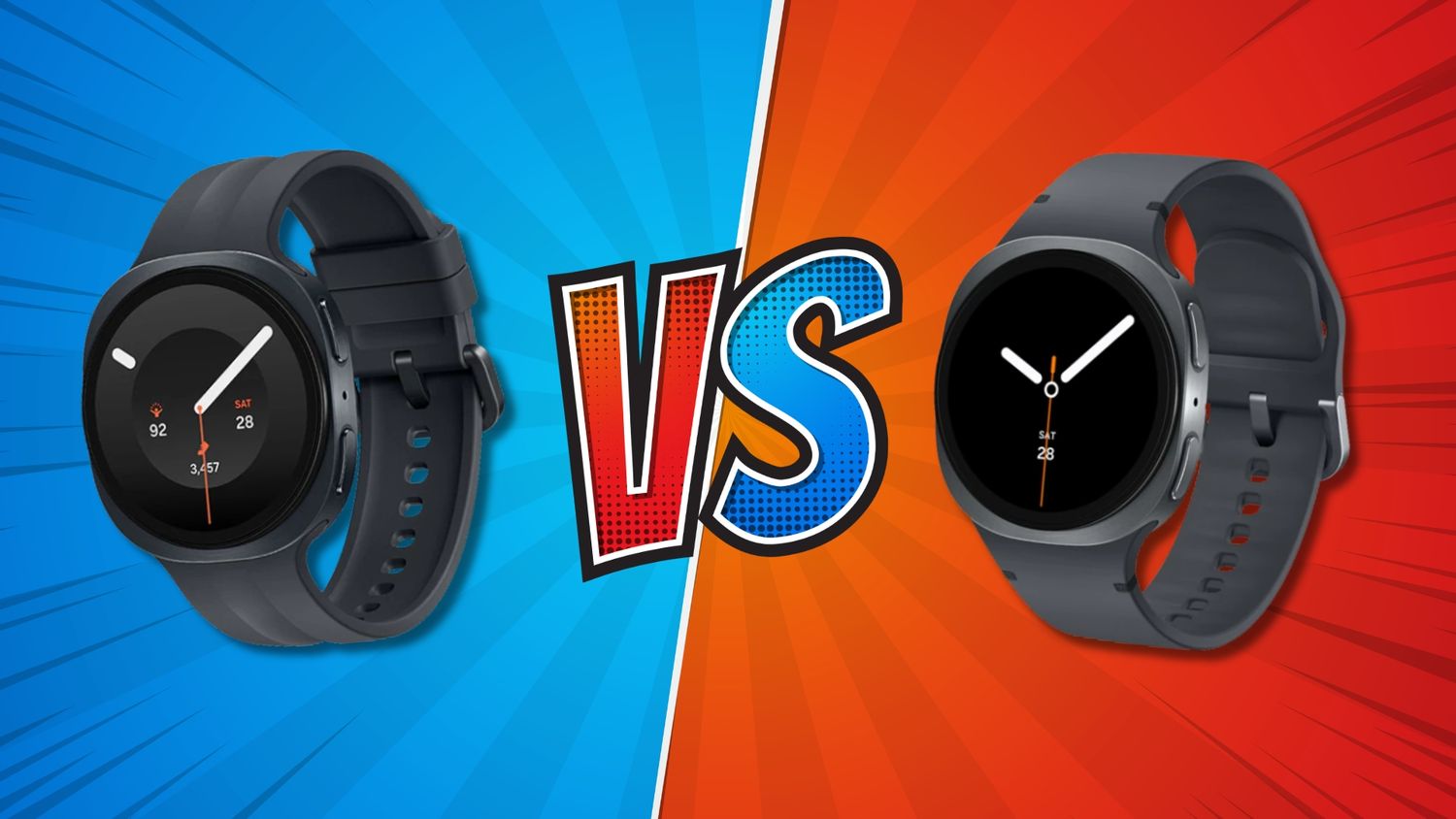
Samsung Galaxy Watch 9 vs Galaxy Watch 8: specs, price and is the upgrade worth it?
Essential brief
Samsung unveiled the Galaxy Watch 9 alongside the Galaxy Z Fold 8 and Watch Ultra 2 at Galaxy Unpacked. The Watch 9 retains the design and display of the Watch 8 but introduces a new Qualcomm Snapd
Key topics
Key facts
Highlights
Why it matters
The Galaxy Watch 9's integration of a more powerful AI-capable processor and expanded health features reflects the growing emphasis on advanced on-device processing in smartwatches. These enhancements enable more personalized and real-time health insights, marking a shift in wearable technology toward deeper health monitoring and user engagement. Consumers must weigh these benefits against cost and existing device capabilities when considering an upgrade.
Samsung introduced the Galaxy Watch 9 at its recent Galaxy Unpacked event, launching it alongside the Galaxy Z Fold 8 series and the Watch Ultra 2. The new Watch 9 maintains the same squircle design, display size, and durability ratings as the Galaxy Watch 8. Key upgrades include a switch from Samsung's Exynos chip to Qualcomm's Snapdragon SDW6100 Wear Elite processor, larger batteries, Bluetooth 6.0 support, and a new Cream color option for the 40mm model.
In India, the Galaxy Watch 9 is priced at Rs 38,999 for the Bluetooth 40mm variant, with pre-order incentives such as Rs 1,000 cashback and trial subscriptions to Strava and iFIT. The Galaxy Watch 8 remains available at Rs 35,999, often discounted. Both watches share identical dimensions and build materials, including Armor Aluminum 2 frames, Sapphire Crystal glass, IP68 and 5ATM water resistance, and MIL-STD-810H certification.
The display specifications are unchanged, with the 44mm models featuring a 1.47-inch Super AMOLED panel at 480 x 480 pixels and peak brightness up to 3,000 nits. Performance improvements stem from the Snapdragon Wear Elite chip, which offers a penta-core setup and a 10 TOPS NPU capable of running advanced AI models locally. This enables new features like Gemini Live and AI-powered health insights unavailable on the Watch 8.
Battery capacity has increased, notably in the 40mm Watch 9, which has a 390 mAh battery compared to the Watch 8's 325 mAh. Both models support 10W wireless charging and offer up to 30 hours of runtime with Always-On Display enabled. Health sensors remain consistent, including optical heart rate, ECG, bioelectrical impedance, blood pressure, SpO2, skin temperature, antioxidant index, and sleep tracking with Sleep Apnea detection.
The Watch 9 introduces new health metrics such as Heart Health Score, Daily Cardio Load, Fitness Index, and Hearing monitoring, leveraging the enhanced AI capabilities of the Snapdragon chip. Software-wise, the Watch 9 runs Wear OS 7 with One UI Watch 9, while the Watch 8 operates on Wear OS 6 and One UI Watch 8 but will receive updates through 2029.
Overall, the Galaxy Watch 9 offers targeted improvements in processing power, battery life, connectivity, and health monitoring. The decision to upgrade depends on the value placed on these enhancements and the price difference compared to the Watch 8, which remains a capable smartwatch at a lower cost.
Key topics in this update include samsung galaxy, galaxy, and specs price.