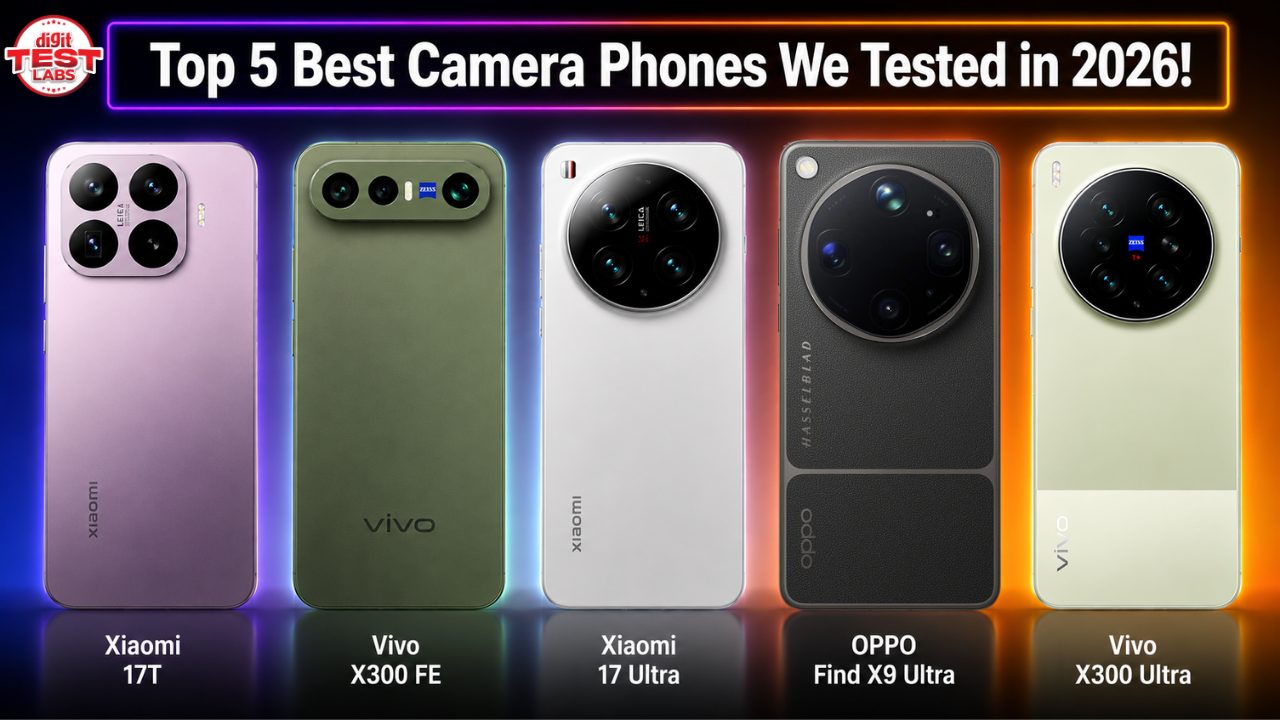
Top 5 Camera Phones We Tested in 2026: Our picks for the best camera smartphones
Essential brief
In 2026, smartphone camera technology advanced significantly with brands like Vivo, Oppo, and Xiaomi releasing competitive flagship models. After extensive real-world testing across diverse environ
Key topics
Key facts
Highlights
Why it matters
The advancements in smartphone camera technology in 2026 highlight the increasing importance of versatile zoom capabilities and high-quality portrait photography. These improvements enable users to capture professional-grade images without additional equipment, influencing consumer choices and driving innovation in mobile photography. The availability of flagship features across different price segments also broadens access to advanced camera technology.
The smartphone camera market in 2026 remains highly competitive, with Vivo, Oppo, and Xiaomi pushing the boundaries of mobile photography. Over several months, we tested flagship models in various settings, including scenic locations like Rishikesh and Dharamshala, an IPL cricket match, and even a short film production. Our evaluation focused on camera performance, combining Digit's rear and selfie camera scores with practical shooting experiences.
Leading the list is the Vivo X300 Ultra, featuring a versatile camera setup with focal lengths ranging from 14mm to 230mm and full manual controls including LOG shooting. It excels in portrait photography with natural skin tones and clean background separation, and its zoom capabilities remain sharp even at extended ranges. The phone achieved a Digit rear camera score of 103 and a selfie score of 40.8. Priced above Rs 1.5 lakh, it is the most comprehensive camera flagship tested this year.
The Oppo Find X9 Ultra follows closely, notable for its 50MP autofocus selfie camera delivering sharp facial details and excellent edge detection. Its rear camera system includes a 200MP main sensor and the world's first 50MP 10x optical telephoto lens, providing detailed zoom shots up to 30x. With a Digit rear camera score of 102 and selfie score of 41.2, it is ideal for users prioritizing both zoom and selfie quality, priced at Rs 1,69,999.
In third place, the Xiaomi 17 Ultra offers a technically ambitious system with a 1-inch main sensor paired with a Leica Summilux lens, enhancing low-light performance and dynamic range. Its 200MP continuous optical zoom telephoto lens covers a 75-100mm range, allowing precise framing at various focal lengths. The phone scored 102 for rear cameras and 38.7 for selfies, priced at Rs 1,39,999.
The Xiaomi 17T provides a more affordable option with a triple camera setup led by a 50MP Sony IMX906 sensor and Leica tuning. It delivers strong portrait performance with natural skin tones and good background separation, though low-light and ultrawide capabilities are less impressive. With a Digit rear camera score of 88 and priced at Rs 60,000, it suits users seeking quality Leica-tuned photography without flagship pricing.
Rounding out the list is the Vivo X300FE, a compact option featuring a triple camera system with ZEISS partnership for multifocal portrait modes. It offers sharp images with good dynamic range and reliable telephoto performance, though the ultrawide lens shows some limitations. The phone scored 85 for rear cameras and 34 for selfies, appealing to those wanting flagship camera features in a smaller form factor.
Overall, 2026 has seen significant advancements in zoom technology, with continuous optical zoom and telephoto lenses becoming more prevalent. These improvements enhance the usability of smartphone cameras at longer distances. Depending on budget and priorities, users can choose from the Vivo X300 Ultra for the best overall camera, Oppo Find X9 Ultra for superior selfies and zoom, or Xiaomi 17T for Leica-tuned photography at a lower price point.
Key topics in this update include camera phones, tested, and picks.