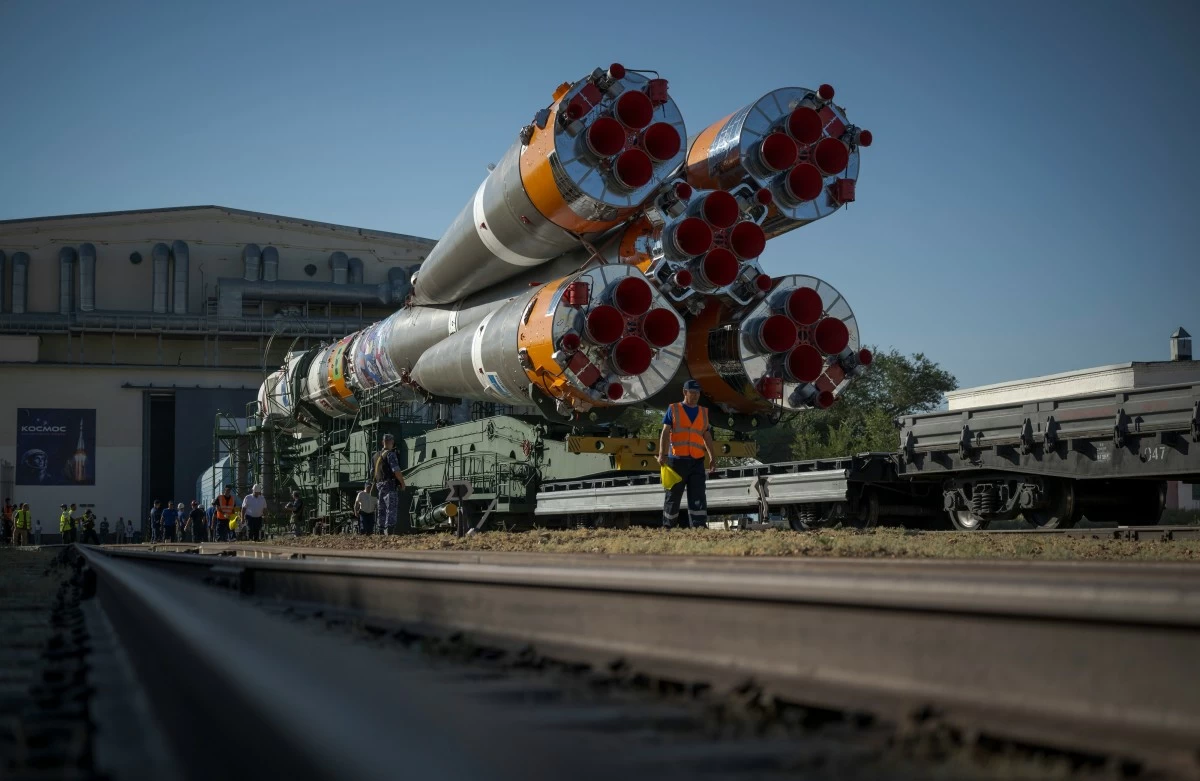
US-Russian crew blast off for 8-month stint on the International Space Station
Essential brief
A US-Russian crew successfully launched from Kazakhstan's Baikonur Cosmodrome on July 14, 2026, beginning an eight-month mission aboard the International Space Station (ISS). The crew, consisting o
Key topics
Key facts
Highlights
Why it matters
The successful launch of a US-Russian crew for an extended mission on the ISS highlights the resilience of international space cooperation despite geopolitical conflicts on Earth. Maintaining collaboration between NASA and Roscosmos ensures continued scientific research and operational stability aboard the ISS, benefiting the global space community. This mission exemplifies how space exploration can transcend political tensions.
On July 14, 2026, a US-Russian crew launched aboard the Soyuz MS-29 spacecraft from the Baikonur Cosmodrome in Kazakhstan, marking the start of an eight-month mission on the International Space Station. The crew includes NASA astronaut Anil Menon, making his first spaceflight, and Russian cosmonauts Pyotr Dubrov and Anna Kikina, both on their second missions. The spacecraft is expected to dock with the ISS approximately three hours after launch.
NASA Administrator Jared Isaacman attended the launch, marking the first visit by a NASA chief to Baikonur in eight years. His presence highlighted the ongoing collaboration between NASA and Russia's space agency, Roscosmos, despite geopolitical tensions stemming from Russia's military actions in Ukraine. Prior to the launch, Isaacman met with Roscosmos head Dmitry Bakanov to discuss mission preparations.
The new crew will join the current ISS residents: NASA astronauts Jessica Meir, Jack Hathaway, and Chris Williams; European Space Agency astronaut Sophie Adenot; and Roscosmos cosmonauts Sergei Kud-Sverchkov, Sergei Mikaev, and Andrei Fedyaev. This international team continues the tradition of multinational cooperation aboard the ISS.
The mission reflects the professionalism and dedication of both NASA and Roscosmos teams, emphasizing the importance of maintaining peaceful collaboration in space exploration. The successful launch and docking are critical for ongoing scientific research and operations aboard the ISS.
Despite historical rivalries during the Cold War, the partnership between the US and Russia in space remains a significant example of international cooperation. This mission further demonstrates the commitment to joint efforts in advancing human presence in low Earth orbit.
Key topics in this update include us-russian crew blast, 8-month stint, and international space station.